
Destination Report- C10LM
Table of Contents
Reykjavik: A “Seasonal Delights” Destination
Destination Marketing Organisations
Market Segmentation and Targeting
New Segment: Gen Z Adventure Travelers
Executive summary
Tourism is one of the world’s largest and most rapidly expanding sectors, generating significant social, economic, and environmental impacts globally. As travel continues to grow, destinations are increasingly focusing on sustainable practices to attract eco-conscious segments, like Gen Z, who prioritize environmental responsibility in their travel choices (Çalışkan, 2021).
This report explores Reykjavik, Iceland, as a “Seasonal Delights” destination for German Gen Z adventure travelers. Iceland’s capital city offers unique, year-round attractions—such as the Midnight Sun in summer and the Northern Lights in winter—making it an ideal destination for travelers seeking both adventure and sustainability.
Reykjavik’s commitment to carbon neutrality by 2040 and its reliance on geothermal and hydroelectric energy make it an appealing choice for Gen Z travelers, who value destinations with strong sustainability initiatives.
To effectively engage Gen Z from Germany, Reykjavik’s marketing strategy includes partnering with Online Travel Agencies (OTAs) and local businesses to promote eco-friendly travel packages. Additionally, it is recommended that Reykjavik’s tourism board enhances its social media presence by securing a verified Instagram badge and collaborating with sustainability-focused influencers. This will enable the city to showcase its eco-conscious attractions authentically and reach Gen Z travelers through the platforms they trust most.
Leveraging augmented reality (AR) technology at key landmarks can further enrich the travel experience, offering interactive storytelling on Reykjavik’s history, environmental practices, and cultural heritage. By integrating AR and promoting user-generated content, Reykjavik can engage tech-savvy Gen Z travelers and create a sense of community centered around sustainability.
In conclusion, by aligning its offerings with Gen Z’s preferences for digital engagement, sustainability, and immersive experiences, Reykjavik can position itself as a leading destination for environmentally conscious adventure travel. This strategy not only appeals to the growing Gen Z market but also supports Reykjavik’s long-term vision of sustainable tourism growth.
Reykjavik: A “Seasonal Delights” Destination
Reykjavik, Iceland’s capital, aligns well with the “Seasonal Delights” category in Cook et al.’s (2010) tourist destination model, which classifies destinations based on commercial development and seasonal appeal. Reykjavik attracts travelers with its unique year-round experiences, particularly through seasonal attractions like the Midnight Sun and Northern Lights (Cook et al., 2010).
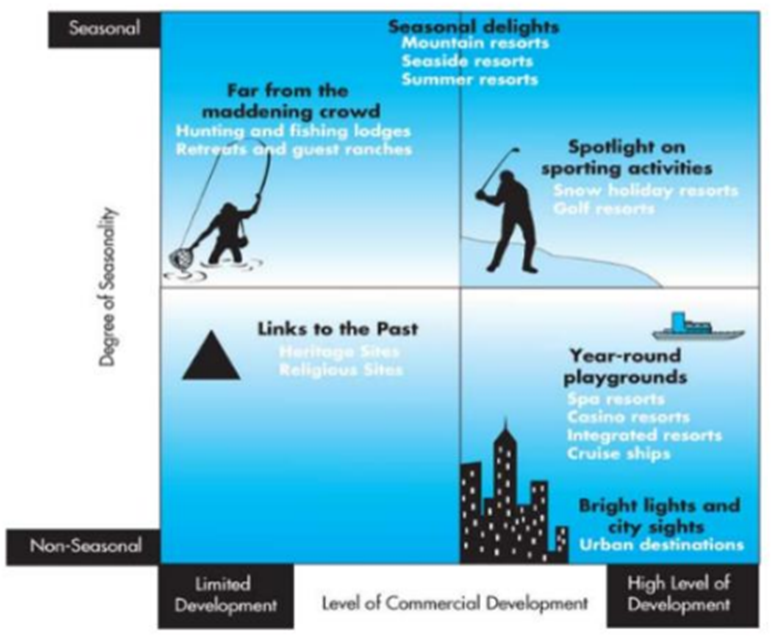
Fig 1: Cook et al.’s (2010) Destination Model
Iceland is an island country located in the North Atlantic Ocean. Tourism in Iceland has seen rapid growth, with visitor numbers increasing from 300,000 in the early 2000s to over two million by the late 2010s, highlighting Reykjavik’s appeal as a vibrant, small city surrounded by stunning natural landscapes. As of 2024, Reykjavik’s population stands at 139,800 within Iceland’s total of 383,726 (Statistics Iceland, 2024; World Population Review, 2024).
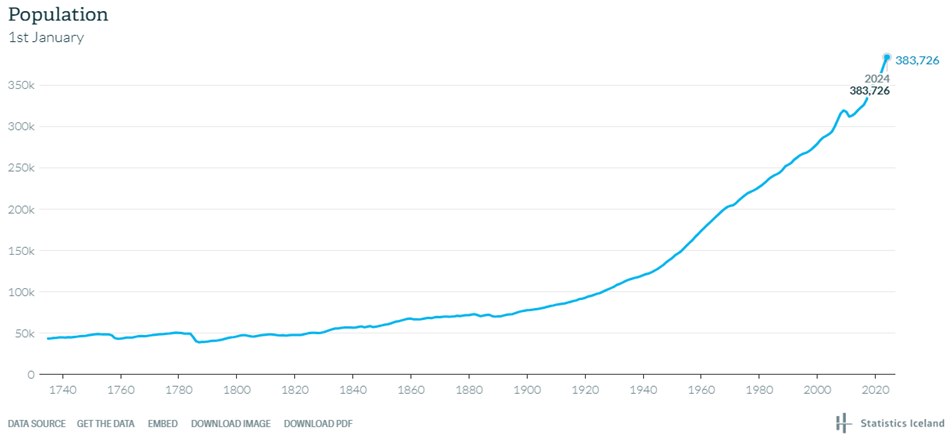
Fig 2: Current population of Iceland (Statistics Iceland, 2024)
Iceland’s economy has shifted from a reliance on fishing and agriculture to an emphasis on tourism and aluminum production (Sæþórsdóttir and Hall, 2019). In 2023, tourism contributed 8.8% of Iceland’s GDP, underscoring its role as a vital economic pillar (Statistics Iceland, 2024).
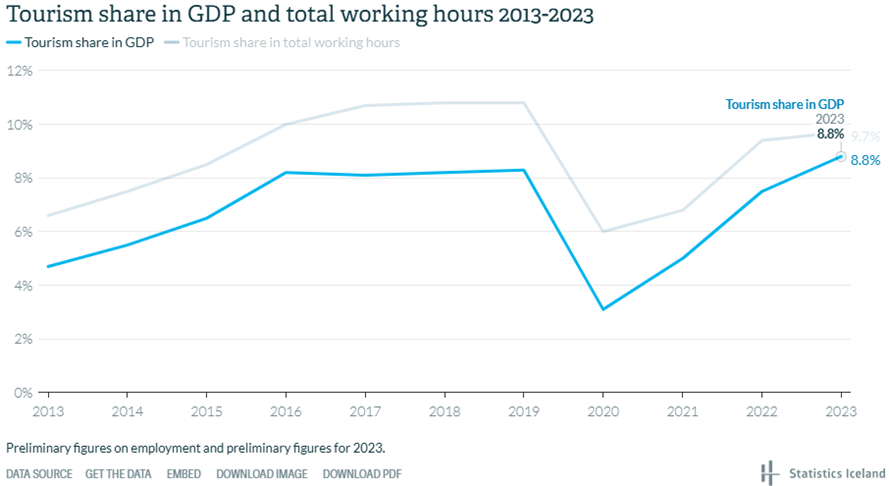
Fig 3: Tourism Share in GDP (Statistics Iceland, 2024)
The United States (23.4%), United Kingdom (13.2%), and Germany (6.7%) are the top source markets, with German tourists representing a significant segment interested in Reykjavik’s natural and cultural attractions (OECD, 2020).
Reykjavik’s seasonal appeal is multi-faceted. The peak tourist season is during the summer months (June to August), when travelers flock to Iceland for the Midnight Sun, longer daylight hours, and a variety of outdoor activities like hiking, whale watching, and exploring Iceland’s scenic landscapes (Thomas Cook, n.d).
However, Reykjavik also attracts a significant number of visitors in the winter (October to March), particularly for the Northern Lights. Although winter is not traditionally the peak season, it has become popular due to winter-specific experiences like ice cave tours and geothermal spas, including the famous Blue Lagoon, which offers a unique experience amidst Iceland’s cold climate (Visit Iceland, 2023).
These seasonal attractions solidify Reykjavik’s status as a year-round destination, with each season providing a distinct set of experiences that cater to various traveler preferences. Most visitors to Reykjavik fall within the 25-34 age group, a demographic that shows a strong preference for adventure and nature-based tourism (Statista, 2024).
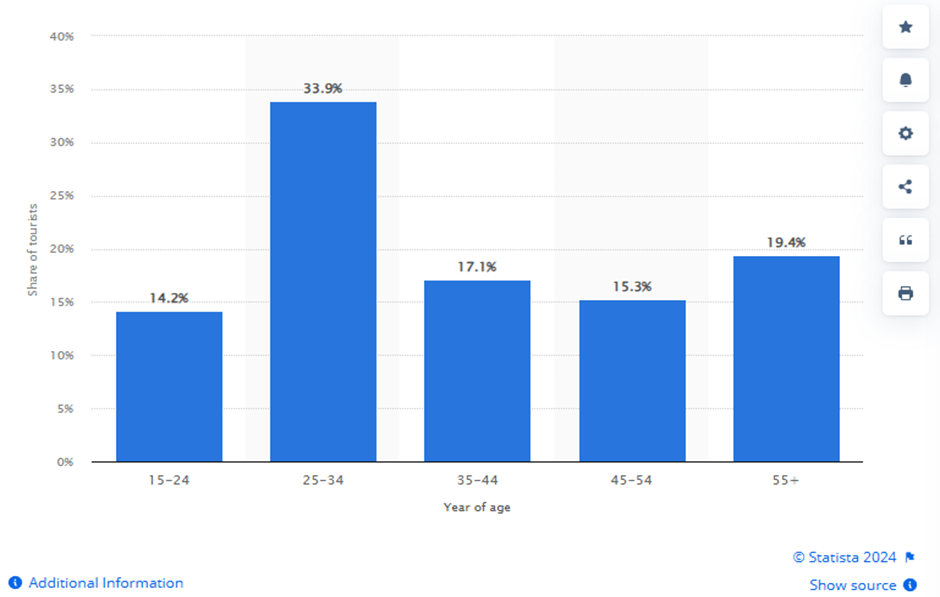
Fig 4: Percentage distribution of international tourists in Iceland in 2023, by age group (Statista, 2024)
This demographic pattern reflects Reykjavik’s appeal as a destination that resonates with younger, adventure-seeking travelers, particularly those interested in sustainable and immersive experiences.
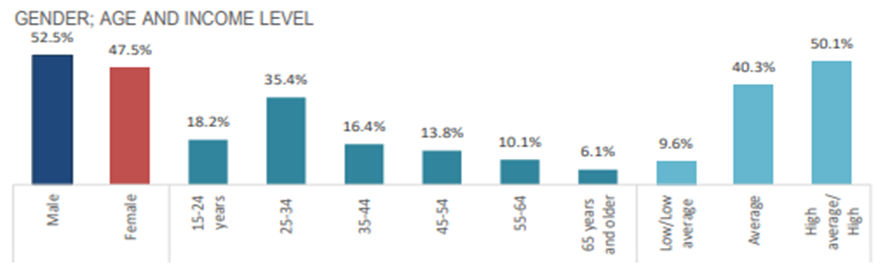
Fig 5: International Visitors In Iceland 2017-18 (The Icelandic Tourist Board, 2018)
Additionally, Reykjavik is also recognized for its sustainability efforts. The city has committed to becoming carbon-neutral by 2040 through initiatives focused on renewable energy, eco-friendly transportation, and waste reduction (Reykjavik, 2024). Iceland’s abundant geothermal and hydroelectric resources enable Reykjavik to meet its electricity and heating needs with renewable energy, significantly reducing its carbon footprint (Benediktsson and Waage, 2020).
This dedication to sustainability aligns with the values of environmentally conscious travelers and positions Reykjavik as a responsible and progressive tourism destination. Looking to the future, Reykjavik is expected to welcome 2.5 million visitors by 2026 (Sigurdardottir, 2024).
Destination Marketing Organisations
The World Tourism Organization (2004) defines DMOs as “organizations responsible for the management and/or marketing of destinations” (Varghese and Paul, 2014). Reykjavik’s marketing and management strategies are directed by its Destination Management Organization (DMO), Visit Reykjavik, which was established in 2023 through a collaboration of six municipalities and the tourism industry (Visit Reykjavik, 2024).
Reykjavik’s branding heavily relies on destination imagery to convey an appealing, immersive experience. Destination imagery involves using visual and emotional cues that create a strong mental image of a location, influencing how tourists imagine and connect with a place (Cardoso et al., 2019). By effectively employing this, Reykjavik markets itself as a premier destination for nature-based adventure tourism, capitalizing on Iceland’s dramatic landscapes and seasonal phenomena.
Tourist Motivations
Tourist motivations refer to the underlying reasons that drive individuals to seek travel experiences, often categorized by both push and pull factors. Push motivations are personal and internal socio-psychological desires, such as the desire for adventure, relaxation, escape from routine, or self-discovery (Crompton, 1979). Pull motivations are destination-specific, arising from the unique attractions or characteristics of a location that appeal to potential visitors, like cultural heritage, natural beauty, or exclusive activities (Nikjoo and Ketabi, 2015).
For Reykjavik, push factors include the desire for a refreshing escape in a pristine environment, while pull factors are embodied by Iceland’s breathtaking landscapes, the allure of the Northern Lights, geothermal spas, and the city’s commitment to sustainability, all of which attract eco-conscious and adventure-driven tourists.
Market Segmentation and Targeting
Effective destination marketing requires identifying and targeting specific groups of tourists based on their travel motivations, rather than appealing to a mass market (Nella & Christou, 2021). Reykjavik segments its market to attract diverse traveler types through behavior-based segmentation, aligning with eco-tourism trends and tourists’ growing motivations for low-impact, conservation-oriented travel (Weaver & Lawton, 2007).
The primary segment includes eco-conscious travelers and adventure seekers. Reykjavik markets sustainable tourism practices and outdoor activities, such as glacier hikes, ice cave tours, and geothermal spa experiences during summer and winter-specific experiences, especially the Northern Lights.
According to Font and McCabe (2017), transparency in sustainability marketing is essential in establishing trust with eco-conscious visitors, as they are often discerning and well-informed about sustainable practices. Reykjavik capitalizes on this by openly promoting its use of renewable energy, waste reduction initiatives, and environmental conservation programs, reinforcing its commitment to sustainability.
Reykjavik’s rich Viking heritage, cultural events, and art installations cater to tourists interested in Icelandic history and arts. By emphasizing museums, historical sites, and annual cultural festivals, Reykjavik appeals to visitors who seek educational and leisure experiences that connect them to the local culture (Visit Reykjavik, 2024).
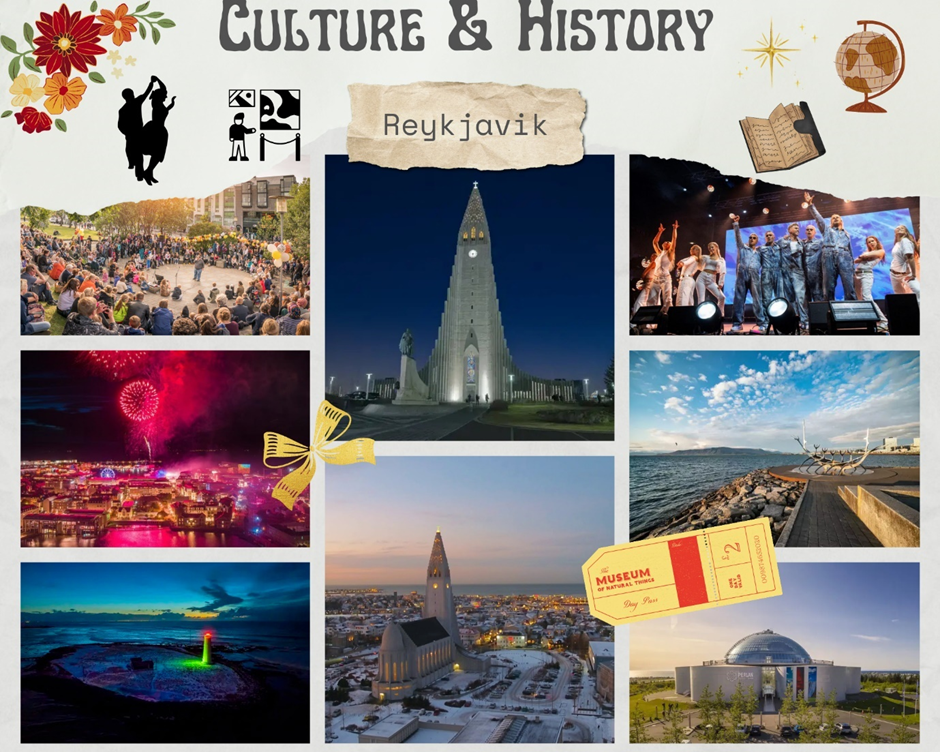
Fig 6: Reykjavik history, local culture, art (Visit Reykjavik 2024)
Reykjavik is also establishing itself as a center for innovation, particularly in fields like green technology and life sciences. This initiative attracts professionals, researchers, and science enthusiasts from around the world, creating an appealing niche market segment for tourism focused on scientific collaboration and sustainable innovation (Reykjavik Science City, 2021).
Reykjavik is known for its inclusivity and supportive environment for the LGBTQ+ community. The city hosts the annual Reykjavik Pride and collaborates with organizations like Pink Iceland to offer specialized tours and services for LGBTQ+ travelers enhancing the city’s reputation as a welcoming destination (Visit Reykjavik, 2024).
Hence, tourists travelling to Reykjavik may have multiple motivations and reasons to visit (Kim Lian Chan and Baum, 2007).
To further engage modern travelers, Visit Reykjavik consistently partners with Instagram influencers to create promotional and informative videos, as seen on their Instagram page (Visit Reykjavik, 2024). Additionally, itinerary ideas are available on their website, offering guidance and inspiration for visitors to explore the city and its surroundings (Visit Reykjavik, 2024).
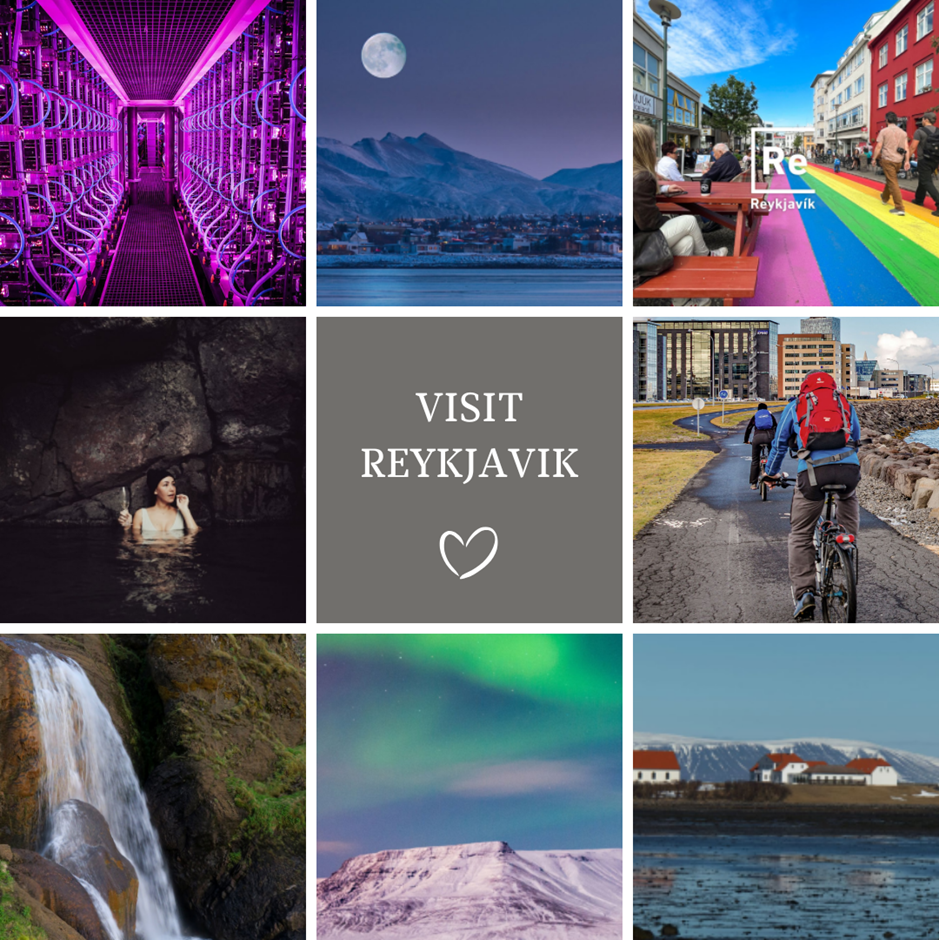
Fig 7: Reykjavik (Association of Municipalities in the Capital Area, 2022)
New Segment: Gen Z Adventure Travelers
Gen Z adventure travelers from Germany represent a promising new market segment for Reykjavik. German visitors make up the largest group of international travelers to Iceland, reflecting a strong existing interest in the country’s unique natural landscapes and outdoor experiences (Icelandic Tourist Board, n.d).
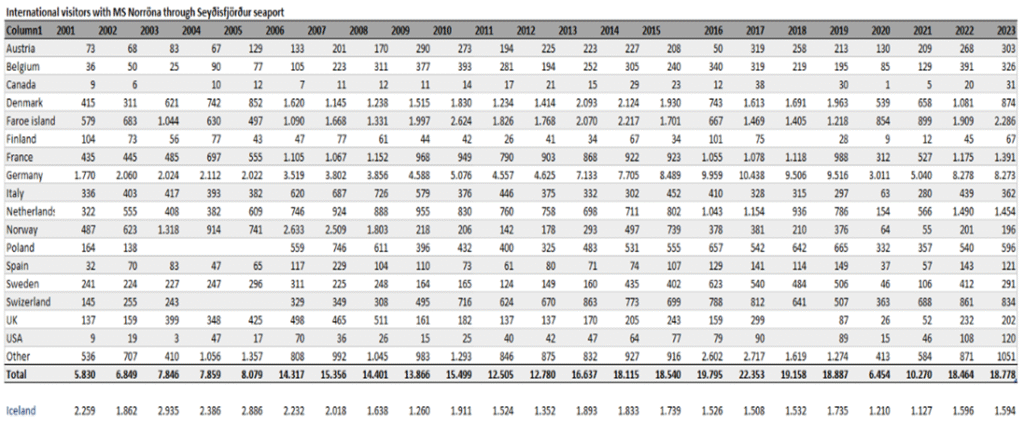
Fig 8: Numbers of foreign visitors (Icelandic Tourist Board, n.d)
Sustainability is a core value for people from Germany, who demonstrate a strong commitment to eco-friendly practices across various sectors, from clothing to tourism (Boermans et al., 2024; Chaves et al., 2022; Könecke et al., 2021).
Gen Z travelers, specifically, have become a dominant force in global tourism, comprising over 23% of international travelers and generating more than €250 billion annually (Pinho & Gomes, 2023; WYSE Travel Confederation, 2023).
Surveys indicate that 69% of Gen Z travelers feel strongly about responsible travel, with a preference for environmentally and socially conscious tourism (Globetrender, 2021). Gen Z’s focus on sustainability is not superficial; it is deeply rooted in their ethical values, as they are increasingly aware of the environmental impacts of their actions. Research highlights that Gen Z travelers adopt a moral stance on eco-friendly practices, expecting destinations to reflect their values through sustainable initiatives (Haddouche & Salomone, 2018).
Additionally, German Gen Z travelers are willing to pay more for eco-friendly accommodations, prioritize locally owned businesses, and prefer destinations that demonstrate social responsibility in their tourism offerings (Popşa, 2024).
For Reykjavik, this means promoting its existing sustainable tourism practices as these align closely with Gen Z’s environmental priorities and support their desire to reduce their ecological footprint.
Gen Z travelers are particularly drawn to adventure tourism, with studies indicating that 83% of Gen Z express interest in natural and adventure tourism (Hartono & Dimyati, 2023). Young travelers increasingly seek meaningful experiences that provide opportunities for learning, self-discovery, and connection with local heritage and nature (Popşa, 2024).
Moreover, Gen Z travelers are often drawn to destinations known for safety and low crime rates, which Iceland, including Reykjavik, offers (Visit Iceland, 2023). Iceland ranks the first position in the Global Peace Index 2024 and has held this position since 2008 (Global Peace Index, 2024).
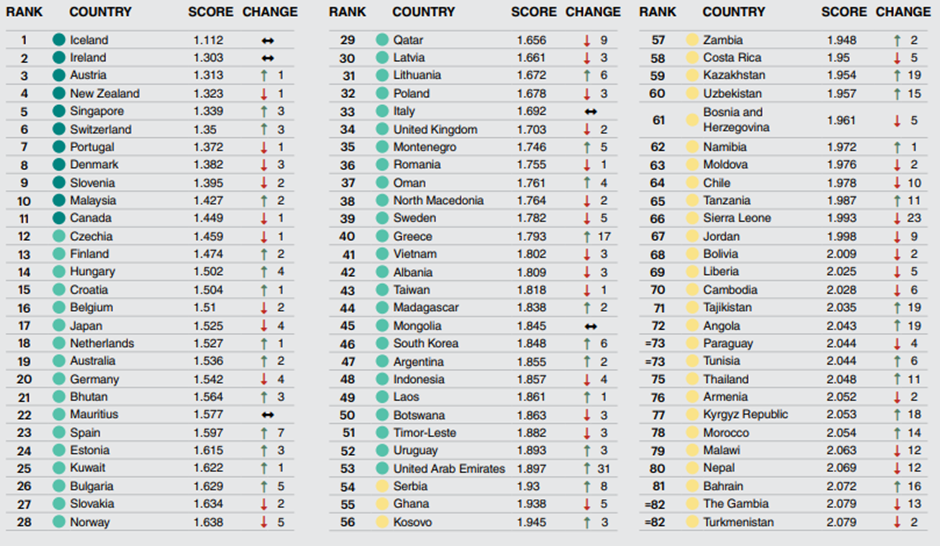
Fig 9: Global Peace Index (2024)
The country’s reputation for being a secure destination enhances its appeal to Gen Z, who prioritize safety and are more inclined to choose destinations with positive reputations in this regard (Daskin & Tumati, 2024).
Reykjavik’s unique initiatives, such as the Reykjavik Science City and its strong support for the LGBTQ+ community, broaden its appeal to Gen Z values of inclusivity and innovation, enhancing its attractiveness as a socially progressive and intellectually stimulating destination (Visit Reykjavik, 2024).
Gen Z’s travel choices are heavily influenced by social media and digital platforms, making these channels essential for engaging with German Gen Z travelers. Research shows that the 15–24 age group relies on social media, influencer recommendations, and online reviews to inform their destination choices (Robinson & Schänzel, 2019). Social media has a significant impact on their attitudes and behaviors toward destinations (Nunkoo et al., 2020).
A study on social factors influencing Gen Z’s travel decisions revealed that destinations recommended by influencers and online communities are highly persuasive, as these channels provide a sense of authenticity that resonates with Gen Z’s values (Daskin & Tumati, 2023).
Furthermore, Gen Z travelers respond well to testimonials and emotionally driven content, which Reykjavik could leverage by partnering with influencers to showcase its eco-friendly and adventure-based attractions (Kimilli, 2023; Haddouche & Salomone, 2018).
Challenges
There are specific challenges Reykjavik’s tourism board may encounter in attracting the German Gen Z adventure traveler segment which aligns well with the Destination Competitiveness and Sustainability Model (Ritchie and Crouch, 2003), outlining factors affecting a destination’s competitiveness and long-term viability.
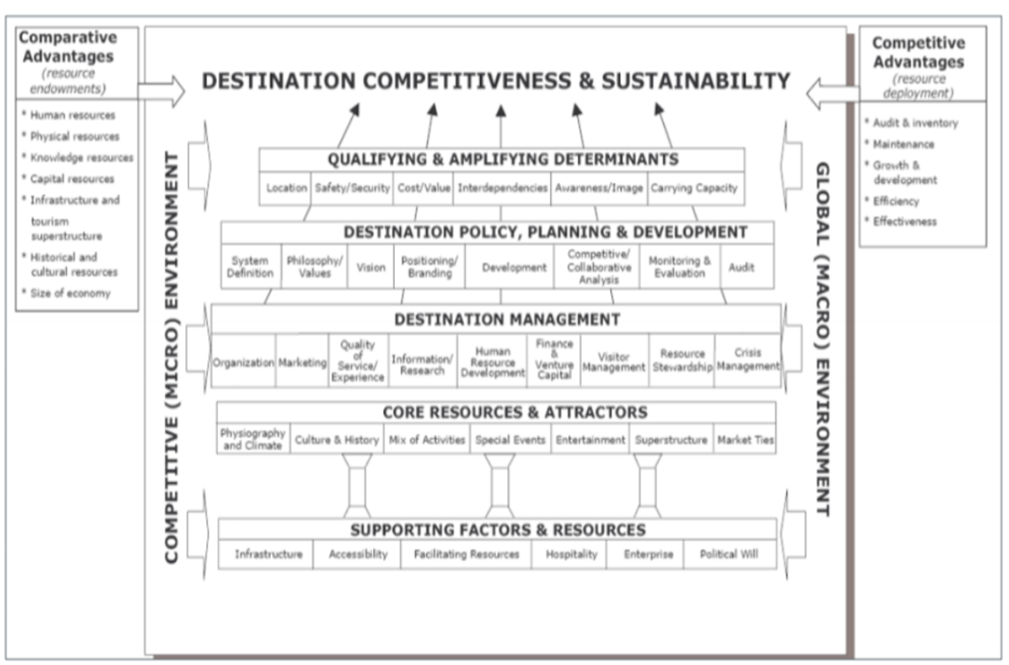
Fig 10: Destination Competitiveness and Sustainability Model (Ritchie and Crouch, 2003)
Firstly, high travel costs (Supporting factors and resources) pose a significant challenge for young, budget-conscious travellers. Iceland is often considered an expensive destination, with higher prices for accommodations, food, and activities compared to other adventure destinations and now it is going to be even more expensive with the introduction of taxes (Sigurdardottir, 2023). As shown in Figure 11, Iceland’s cost of living index remains one of the highest in Europe, which impacts the destination’s accessibility and affordability.
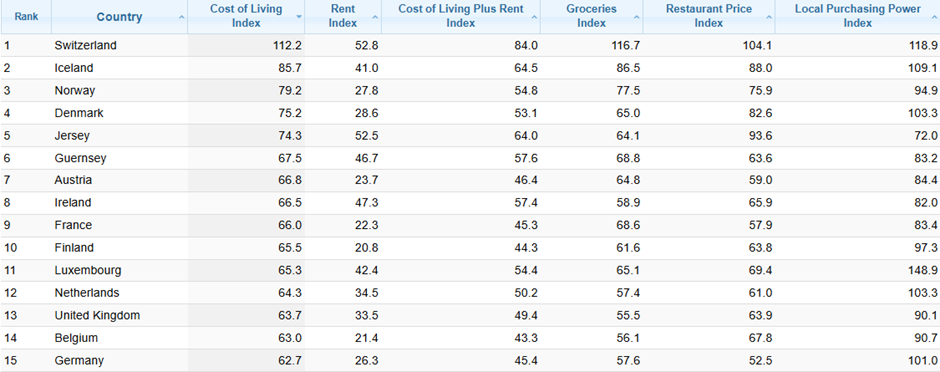
Fig 11: Europe: Cost of Living (Numbeo, 2024)
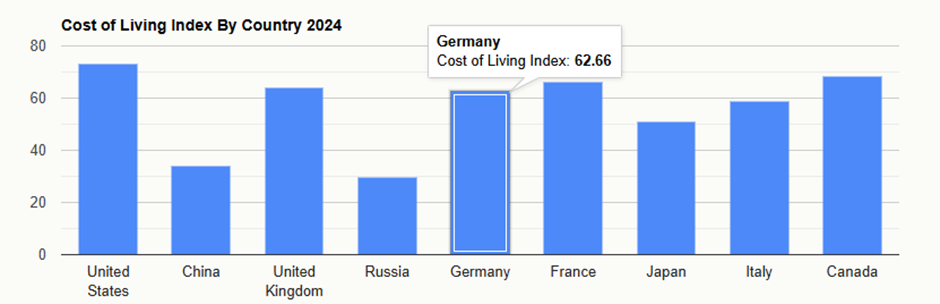
Fig 12: Indices Difference (Numbeo, 2024)
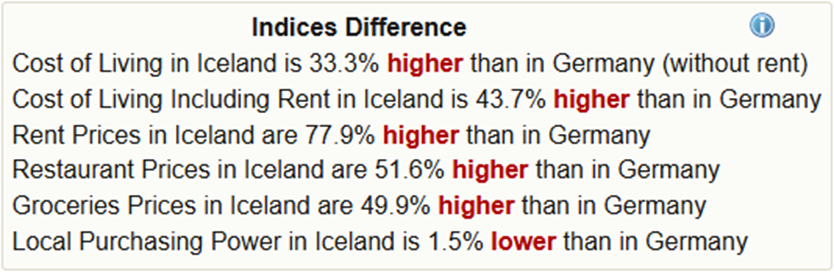
Fig 13: Europe: Cost of Living (Numbeo, 2024)
Secondly, seasonal limitations (Core Resources and Attractors) in Reykjavik could impact the segment’s travel experiences. While Reykjavik offers year-round tourism, iconic experiences such as the Northern Lights and ice cave tours, are limited to winter months. Conversely, summer activities like hiking and whale watching are seasonal as well. This could affect affects visitor experience and destination appeal.
Another challenge relates to environmental impact concerns (Destination Management). Although Gen Z travelers highly value sustainability, there is growing awareness of the environmental impact associated with international travel, particularly air travel. This eco-conscious segment may feel conflicted about traveling to Iceland due to the high carbon footprint of long-haul flights.
Research suggests that Gen Z travelers, increasingly concerned about climate change, are becoming more selective about destinations that require extensive air travel, favoring local or accessible destinations instead (Haddouche & Salomone, 2018). Reykjavik needs clear policies that address environmental concerns, particularly due to the carbon footprint associated with international travel to Iceland.
Moreover, Overtourism (Destination Management) can diminish the quality of the travel experience for those seeking unique, less crowded places and may damage its image and infrastructure. Social media’s portrayal of Reykjavik as a popular destination may set expectations that can lead to disappointment if the reality does not align with curated online images (Nunkoo et al., 2020).
Recommendations
To effectively capture the interest of German Gen Z travelers, Reykjavik’s destination marketers can implement targeted strategies that emphasize sustainability, digital engagement, and authentic storytelling.
Collaborate with OTAs and Local Operators for Sustainable Tourism Experiences
Partner with Online Travel Agencies (OTAs) like TripAdvisor, Expedia, and Booking.com, as well as local hotels, attractions, and transportation providers, to promote sustainable tourism packages in Reykjavik. These packages can feature experiences that showcase Reykjavik’s eco-friendly initiatives, such as guided tours of geothermal energy sites, workshops on environmental conservation, and stays at eco-friendly accommodations (Haddouche & Salomone, 2018).
By offering Gen Z travelers tangible opportunities to engage in sustainable practices, these experiences reinforce their environmental values, allowing them to feel they are making a positive impact on Reykjavik’s ecosystem. Promoting these activities across digital platforms further supports Gen Z’s pro-sustainable behaviors, aligning their travel choices with their commitment to sustainability.
Eco-Passport Program
The Reykjavik Eco-Passport (Digital and physical) invites Gen Z travelers to explore Reykjavik sustainably by completing eco-friendly activities, like hiking eco-trails, visiting geothermal sites, and supporting local businesses. For each completed activity, they can check in via a QR code through an app or get a stamp in their physical passport. As they collect stamps, participants unlock discounts and rewards at partnering local businesses, providing an added incentive to engage in sustainable practices.
Participants can share their adventures on social media, promoting Reykjavik as a sustainable destination. Those who complete all activities receive a reward or certificate (physical and digital) as a memorable keepsake of their eco-conscious journey. Travelers can obtain the physical passport at the airport or at various local businesses in Reykjavik, adding a tangible keepsake to their journey.
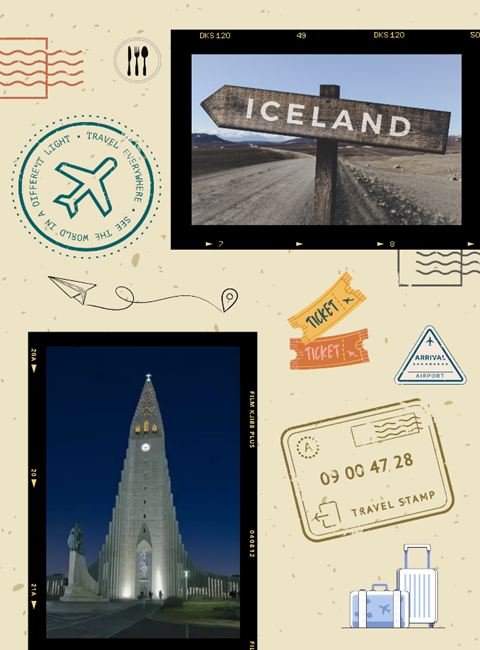
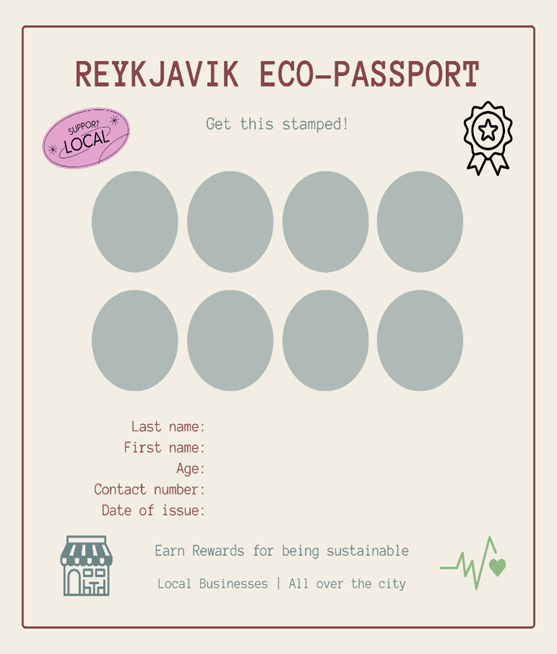
Fig 14 Fig 15
Interactive Storytelling through Augmented Reality (AR)
To attract Gen Z travelers, Reykjavik’s tourism board could use Augmented Reality (AR) at key landmarks. Visitors could access stories about Reykjavik’s history, culture, and sustainability efforts by pointing their devices at sites to learn about renewable energy initiatives or responsible hiking. Research shows AR enhances engagement and builds meaningful connections with destinations (Han et al., 2013).
For Reykjavik, integrating AR storytelling not only educates visitors about sustainability but also offers a unique, engaging way to explore the city, aligning with Gen Z’s interests in both technology and environmental consciousness.
Engaging German Gen Z Travelers through Social Media
To enhance its online presence and credibility, Reykjavik’s tourism board could benefit from obtaining a ‘verified badge’ on its Instagram account. This blue checkmark, offered by Instagram, assures users of the account’s authenticity and reliability, helping to build trust with potential visitors (Instagram.com, 2024).
According to Statista (2024), social media use in Germany is expected to rise from 45.24 million users in 2023 to 59.34 million by 2029, as illustrated in the graph. With Gen Z’s strong presence on these platforms, Reykjavik can capture their attention through interactive posts, behind-the-scenes stories, and user-generated content that showcases the city’s sustainable tourism options and seasonal attractions. By doing so, Reykjavik can effectively reach and engage German Gen Z travelers, appealing to their interests in eco-tourism and unique experiences.
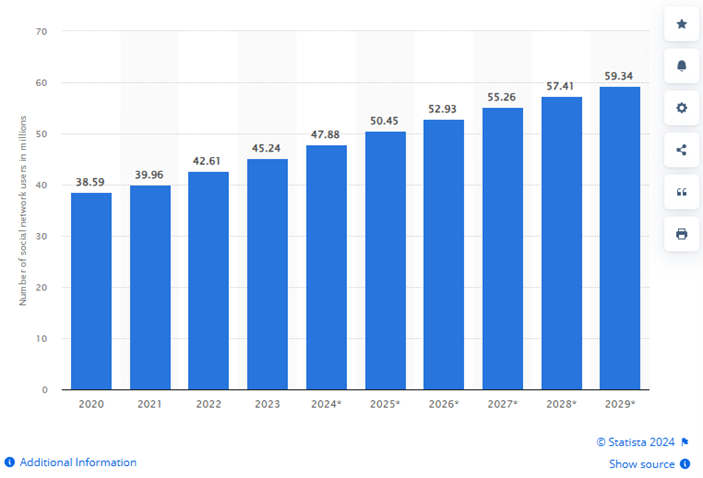
Fig 16: Number of social media users in Germany from 2020 to 2029 (Statista, 2024)
Additionally, partner with sustainability-focused influencers popular among Gen Z to showcase Reykjavik’s eco-friendly adventures like hiking, geothermal spas, and supporting local businesses (Kimilli, 2023). Since Gen Z highly values authenticity and trusts influencer recommendations, this approach positions Reykjavik as a destination aligned with their sustainable values (Daskin & Tumati, 2023).
Conclusion
In summary, Reykjavik’s appeal as a “Seasonal Delights” destination lies in its unique blend of natural beauty, sustainability, and immersive experiences that resonate strongly with Gen Z travelers, particularly those from Germany. By leveraging innovative marketing strategies—such as influencer partnerships, social media engagement, and interactive storytelling through AR—Reykjavik can effectively capture the interest of eco-conscious, adventure-seeking young travelers. Through thoughtful initiatives that align with Gen Z values of authenticity, sustainability, and digital connectivity, Reykjavik is well-positioned to attract a new generation of tourists who seek meaningful, eco-friendly travel experiences.
References
- Association of Municipalities in the Capital Area (2022) ‘Destination Plan for the Capital Region’. Available at: https://www.ssh.is/static/files/afangastadurinn_hofudborgarsvaedid/skyrslur/afangastadaaaetlun_hbsv_m09-2024.pdf (Accessed: 2 November 2024).
- Benediktsson, K. and Waage, E.R.H., 2020, November. Power without politics? Nature, landscape and renewable energy in Iceland. In Annales de geographie (No. 6, pp. 107-130). Cairn/Publilog.
- Boermans, D.D., Jagoda, A., Lemiski, D., Wegener, J. and Krzywonos, M., 2024. Environmental awareness and sustainable behavior of respondents in Germany, the Netherlands and Poland: A qualitative focus group study. Journal of Environmental Management, 370, p.122515.
- Chaves, L.B., Carneiro, J.V.C., Silva, L.D.N., Murakami, L.C. and Teixeira, L.I.L., 2022. Sustainable consumption in the clothing segment: a comparative study between Brazilians and Germans. Revista de Administração da UFSM, 15(spe), pp.797-816.
- Çalışkan, C., 2021. Sustainable tourism: gen Z?. Journal of multidisciplinary academic tourism, 6(2), pp.107-115.
- Crompton, J.L., 1979. Motivations for pleasure vacation. Annals of tourism research, 6(4), pp.408-424.
- Cook, R., Yale, L., & Marqua, J. (2010). Tourism: The Business of Travel. Columbus, OH: Prentice Hall.
- Cardoso, L., Dias, F., de Araújo, A.F. and Marques, M.I.A., 2019. A destination imagery processing model: Structural differences between dream and favourite destinations. Annals of tourism research, 74, pp.81-94.
- Daskin, M. and Tumati, R., (2024) Factors influencing Omani Gen Z tourists’ destination choices. Yaşar Üniversitesi E-Dergisi, 19(73), pp.62-81
- Font, X. and McCabe, S., 2017. Sustainability and marketing in tourism: Its contexts, paradoxes, approaches, challenges and potential. Journal of sustainable tourism, 25(7), pp.869-883.
- GlobeTrender (2021) ‘Majority of Gen Z consumers want to travel more responsibly’. 15 March. Available at: https://globetrender.com/2021/03/15/majority-gen-z-consumers-travel-more-responsibly/ (Accessed: 2 November 2024)
- Haddouche, H. and Salomone, C., 2018. Generation Z and the tourist experience: tourist stories and use of social networks. Journal of Tourism Futures, 4(1), pp.69-79.
- Hartono, R.K. and Dimyati, D., 2023. Gen Z’s Interest in Adventure Tourism Activities in Pine Forests. Architectural Research Journal, 3(2), pp.40-45.
- Han, D.I., Jung, T. and Gibson, A., 2013. Dublin AR: implementing augmented reality in tourism. In Information and Communication Technologies in Tourism 2014: Proceedings of the International Conference in Dublin, Ireland, January 21-24, 2014 (pp. 511-523). Springer International Publishing.
- Icelandic Tourist Board (n.d.) ‘Numbers of foreign visitors’. Available at: https://www.ferdamalastofa.is/en/recearch-and-statistics/numbers-of-foreign-visitors#visitors-with-ms-norrona-through-seydisfjordur-seaport (Accessed: 1 November 2024)
- Inspired By Iceland (2024) ‘Reykjavik Culture Night 2024’, 16 May. Available at: https://www.inspiredbyiceland.com/life/reykjavik-culture-night (Accessed: 2 November 2024)
- Instagram (2024) ‘Verified badges on Instagram’. Available at: https://help.instagram.com/733907830039577 (Accessed: 3 November 2024)
- Kim Lian Chan, J. and Baum, T., 2007. Motivation factors of ecotourists in ecolodge accommodation: The push and pull factors. Asia Pacific Journal of Tourism Research, 12(4), pp.349-364.
- Könecke, T., Schunk, H., Schappel, T., Hugaerts, I., Wagner, F. and Malchrowicz-Mośko, E., 2021. German marathon runners’ opinions on and willingness to pay for environmental sustainability. Sustainability, 13(18), p.10337.
- Nella, A. and Christou, E., 2021. Market segmentation for wine tourism: Identifying sub-groups of winery visitors. European Journal of Tourism Research, 29, pp.2903-2903.
- Nikjoo, A.H. and Ketabi, M., 2015. The role of push and pull factors in the way tourists choose their destination. Anatolia, 26(4), pp.588-597.
- Nunkoo et al., 2020 Nunkoo, R., Gursoy, D., & Dwivedi, Y. K. (2020). Effects of social media on residents’ attitudes to tourism: Conceptual framework and research propositions. Journal of Sustainable Tourism, 1–17. https://doi.org/10.1080/09669582.2020.1845710
- Numbeo (2024) ‘Cost of Living Comparison Between Germany and Iceland’. Available at: https://www.numbeo.com/cost-of-living/compare_countries_result.jsp?country1=Germany&country2=Iceland (Accessed: 3 November 2024)
- Numbeo (2024) ‘Europe: Cost of Living Index by Country 2024’. Available at: https://www.numbeo.com/cost-of-living/rankings_by_country.jsp?title=2024®ion=150 (Accessed: 3 November 2024)
- OECD (2020) OECD Tourism Trends and Policies 2020. Paris: OECD Publishing. Available at: https://doi.org/10.1787/6b47b985-en (Accessed: 31 October 2024)
- Pinho, M. and Gomes, S., 2023. Generation Z as a critical question mark for sustainable tourism–An exploratory study in Portugal. Journal of Tourism Futures, (ahead-of-print).
- Popşa, R.E., 2024. Exploring the Generation Z Travel Trends and Behavior. Studies in Business and Economics, 19(1), pp.189-189.
- Robinson, V.M. and Schänzel, H.A., 2019. A tourism inflex: Generation Z travel experiences. Journal of tourism futures, 5(2), pp.127-141
- Reykjavik (2024) ‘Thank you for joining us at Culture Night 2024!’, 26 August. Available at: https://reykjavik.is/en/news/thank-you-joining-us-culture-night-2024 (Accessed: 2 November 2024)
- Reykjavik (2024) ‘Climate Change’. Available at: https://reykjavik.is/en/reykjavik-and-climate#:~:text=Reykjav%C3%ADk%20City%20aims%20to%20become,warming%20below%201.5%C2%B0C (Accessed: 31 October 2024)
- Reyjavik Science City (2021) ‘Why Reykjavík Science City?’ Available at: https://www.reykjaviksciencecity.is/ (Accessed: 2 November 2024)
- Ritchie, J. R. B., & Crouch, G. I. (2003). The competitive destination: A
- sustainable tourism perspective. Wallingford, Oxon: CABI Publishing.
- Sæþórsdóttir, A.D. and Hall, C.M., 2019. Contested development paths and rural communities: Sustainable energy or sustainable tourism in Iceland? Sustainability, 11(13), p.3642.
- Statistics Iceland (2024) ‘Overview’. Available at: https://www.statice.is/statistics/population/inhabitants/overview/ (Accessed: 31 October 2024)
- Statistics Iceland (2024) ‘The share of tourism in GDP at an all-time high’, 17 April. Available at: https://www.statice.is/publications/news-archive/national-accounts/tourism-satellite-accounts-2023/#:~:text=Preliminary%20results%20of%20the%20Tourism,to%20the%20Covid%2D19%20pandemic (Accessed: 31 October 2024)
- Statista (2024) ‘Percentage distribution of international tourists in Iceland in 2023, by age group’. Available at: https://www.statista.com/statistics/1011172/international-tourists-age-iceland/ (Accessed: 31 October 2024)
- Statista (2024) ‘Number of social media users in Germany from 2020 to 2029’, 20 August. Available at: https://www.statista.com/statistics/568943/predicted-number-of-social-network-users-in-germany/ (Accessed: 3 November 2024)
- Sigurdardottir, R. (2024) ‘Iceland Keeps Feeding Its Tourist Boom. Will It Push Locals Out?’, Bloomberg, 3 January. Available at: https://www.bloomberg.com/news/features/2024-01-03/iceland-wants-tourists-but-can-it-handle-them (Accessed: 31 October 2024)
- Sigurdardottir, R. (2023) ‘It’s going to be more expensive to visit Iceland’, 20 September. Available at: https://www.bloomberg.com/news/articles/2023-09-20/iceland-raising-tourism-taxes-prime-minister-katrin-jakobsdottir-says (Accessed: 3 November 2024).
- Thomas Cook (n.d.) ‘Best time to visit Iceland’. Available at: https://www.thomascook.in/international-tourism/best-time-to-visit-iceland (Accessed: 31 October 2024)
- Varghese, B. and Paul, N., 2014. A literature review on Destination Management Organization (DMO). Zenith International Journal of Multidisciplinary Research, 4(12).
- Visit Reykjavik (2024) ‘Experience Reykjavik like a local’ [Instagram]. 2 November. Available at: https://www.instagram.com/visitreykjavik/?hl=en (Accessed: 2 November 2024).
- Visit Reykjavik (2024) ‘Popular Sights in Reykjavík’. Available at: https://visitreykjavik.is/see-and-do/activities/popular-sights-reykjavik (Accessed: 2 November 2024).
- Visit Iceland (2023) ‘Reykjavík – The Capital’. Available at: https://www.visiticeland.com/the-regions/reykjavik-the-capital (Accessed: 31 October 2024)
- Visit Iceland (2023) ‘Reykjavík On The Rocks: Five Geosites in the Capital Region’. Available at: https://www.visiticeland.com/article/reykjavik-on-the-rocks (Accessed: 31 October 2024)
- Visit Iceland (2023) ‘Safetravel – Everything you need to know for a safe trip to Iceland’. Available at: https://www.visiticeland.com/article/safe-travel-in-iceland (Accessed: 2 Novemeber 2024)
- Visit Reykjavik (n.d.) ‘About Us’. Available at: https://visitreykjavik.is/about-us (Accessed: 1 Novemeber 2024)
- Visit Reykjavik (n.d.) ‘Respecting diversity LGBTQIA+ Reykjavík’. Available at: https://visitreykjavik.is/respecting-diversity-lgbtqia-reykjavik (Accessed: 2 Novemeber 2024)
- World Population Review (2024) ‘Reykjavik, Iceland Population 2024’. Available at: https://worldpopulationreview.com/cities/iceland/reykjavik (Accessed: 31 October 2024)
- WYSE Travel Confederation (2023) ‘International youth travel poised for continued stability and growth in volume and expenditure’, 8 March. [Press Release] Available at: https://www.wysetc.org/2023/03/international-youth-travel-poised-for-continued-stability-and-growth-in-volume-and-expenditure/#:~:text=Estimated%20youth%20travel%20expenditure%20reached,continued%20importance%20of%20youth%20tourism (Accessed: 2 November 2024) Weaver, D.B. and Lawton, L.J., 2007. Twenty years on: The state of contemporary ecotourism research. Tourism management, 28(5), pp.1168-1179.
Appendix
Pen Portrait

Meet Emma, a 22-year-old environmental science student from Berlin, Germany. Coming from a wealthy family, Emma has been fortunate to explore various parts of the world, fueling her love for adventure and her passion for the environment. Her fascination with the natural world and climate change drives her career goals, and she dreams of working in conservation to help preserve fragile ecosystems.
Emma loves hiking, photographing landscapes, and diving into new adventures like rock climbing and kayaking. She’s also dedicated to a zero-waste lifestyle and regularly shares sustainable living tips on social media to inspire her followers.
Her ideal travel destinations are those that prioritize sustainability and offer immersive nature experiences. Emma seeks out eco-conscious locations where she can combine her love for adventure with her commitment to environmental protection, making each journey not just thrilling but also meaningful.